
 Australia
  Canada
  Ireland
  New Zealand
  Philippines
  South Africa
  United States
Imagine walking into a room that is entirely the artwork. It’s not something hanging on a wall or a statue on a plinth. It’s the walls, the floor, the light, and the space itself.
This is installation art, the form that dismantles the boundary between the viewer and the creative object.
Here, our art tutors show you how this immersive medium turns galleries into experiences. You'll learn how the masters of space redefine our reality and how you can develop your own artistic voice.
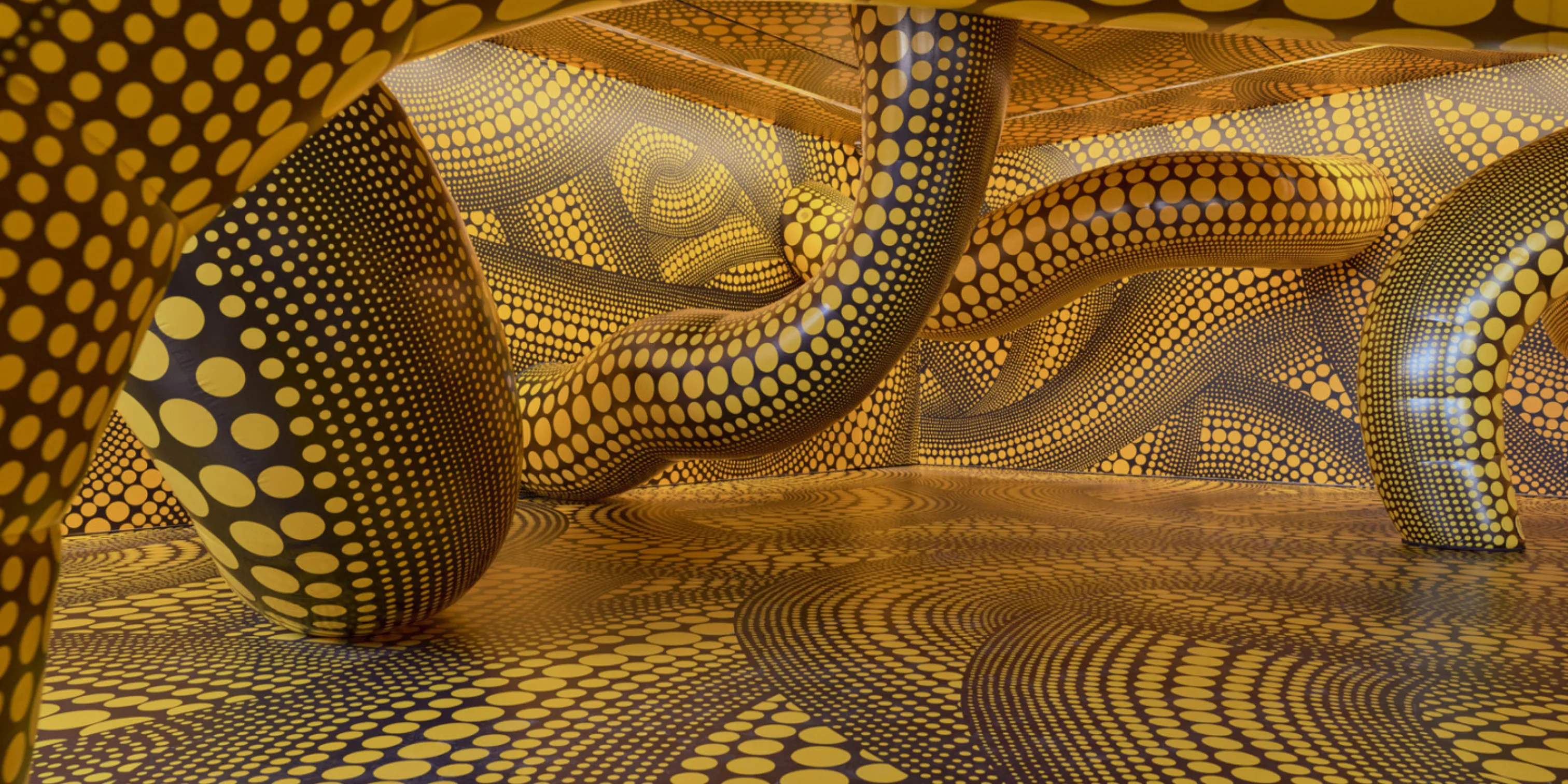 Image Source: Stedelijk Museum
In short...
At its core, the installation art definition is a three-dimensional work designed to transform a specific space. Unlike a painting or sculpture that you look at, you occupy this art. It is an immersive experience that redefines the environment.
The installation art meaning comes from the interaction between your physical body and the space the artist has crafted. Some works are site-specific, built for one location. Others can be reconstructed in galleries worldwide. Whether it is a small room or a massive hall, the goal is total engagement.
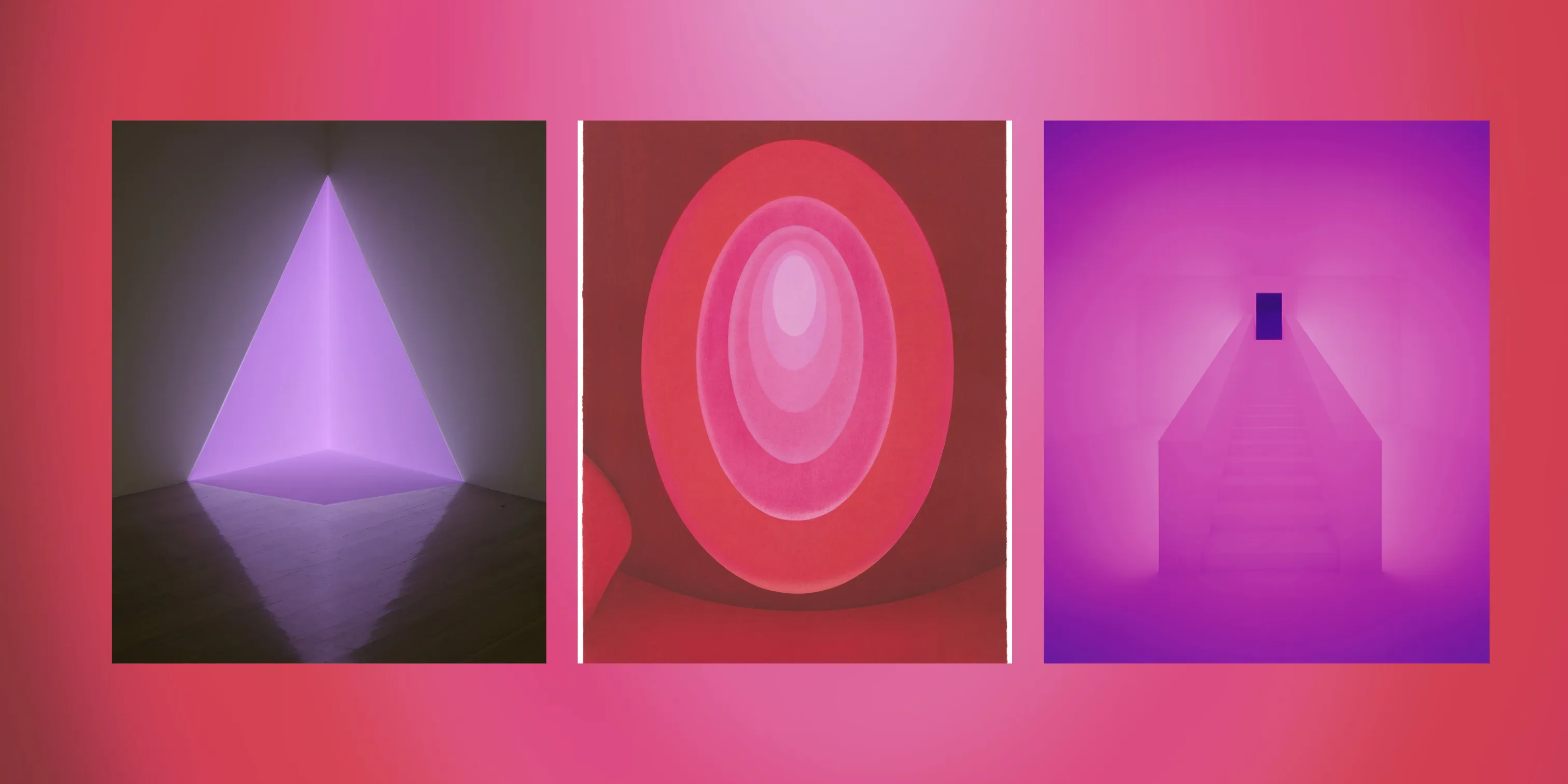 Image Source: Pace Gallery
The roots of the form go back to the early 20th century. Dadaists and Surrealists were the first to treat the gallery like a stage. They broke away from the tradition of the static painting.
The Fluxus movement in the 1960s pushed art into daily life, making the viewer a participant. By the 1970s and 1980s, installation art became a recognised professional discipline in galleries worldwide. Artists moved from creating discrete objects to crafting total environments.
To learn more about the movements that shaped modern art, explore our blog: Impressionism and the Birth of Modern Art
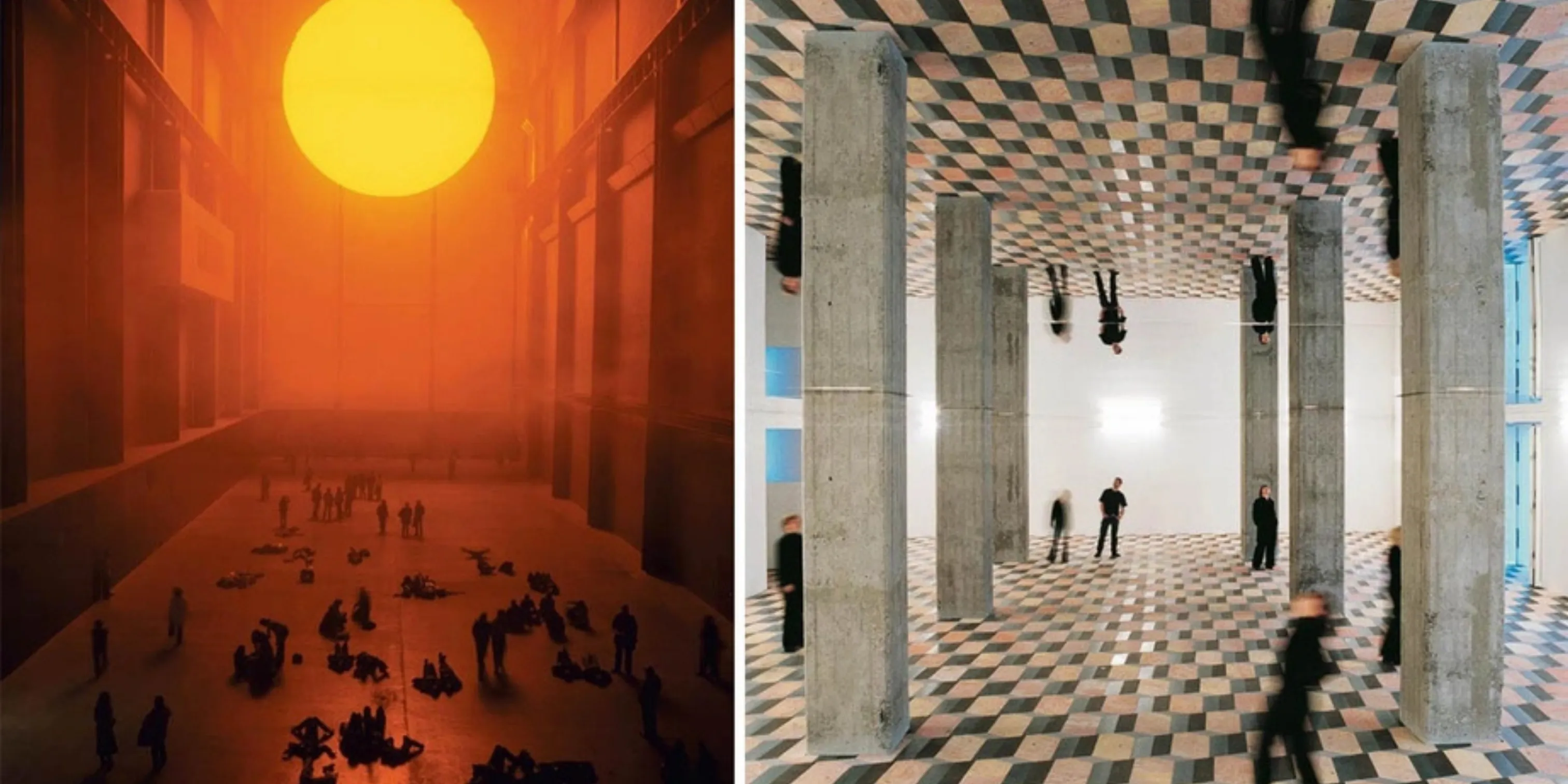 Image Source: The Collector
This medium is unique because it forces you to engage physically. You are not just an observer.
 Image Source: Smart History | Daily Art Magazine | London ART Roundup
To understand this medium, you have to experience it. Here are the landmark installation art examples that defined the field.
Yayoi Kusama: Infinity Mirror Rooms
Her infinite reflections collapse the boundary between the self and the space. She remains one of the most successful artists working in this medium today. The rooms use mirrors and lights to create a sense of endless depth.
James Turrell: Light Works
Turrell treats light as a primary sculptural material. He forces you to question how your own brain perceives colour and depth. He often uses specially designed rooms that remove all reference points to light.
Olafur Eliasson: The Weather Project
This work featured an artificial sun installed in the Tate Modern. Thousands of visitors lay on the floor to experience this shared, social moment. It remains a classic example of how light creates community.
Ai Weiwei: Sunflower Seeds
This massive installation featured 100 million hand-crafted porcelain seeds. It shows the political weight of large-scale art. The sheer volume of objects makes the viewer feel small and thoughtful.
Janet Cardiff: The Forty Part Motet
This is a prime example of interactive installation art. It uses forty speakers to play individual tracks of a choir. You can walk around the space and hear different voices, turning a group performance into a personal discovery.
To learn more about how artists use light, space, and form as creative tools, explore our blog: The Formal Elements of Art
 Image Source: Britannica
These creators redefined how we experience space, scale, and participation.
These pioneers are globally recognised for transforming environments into total experiences.
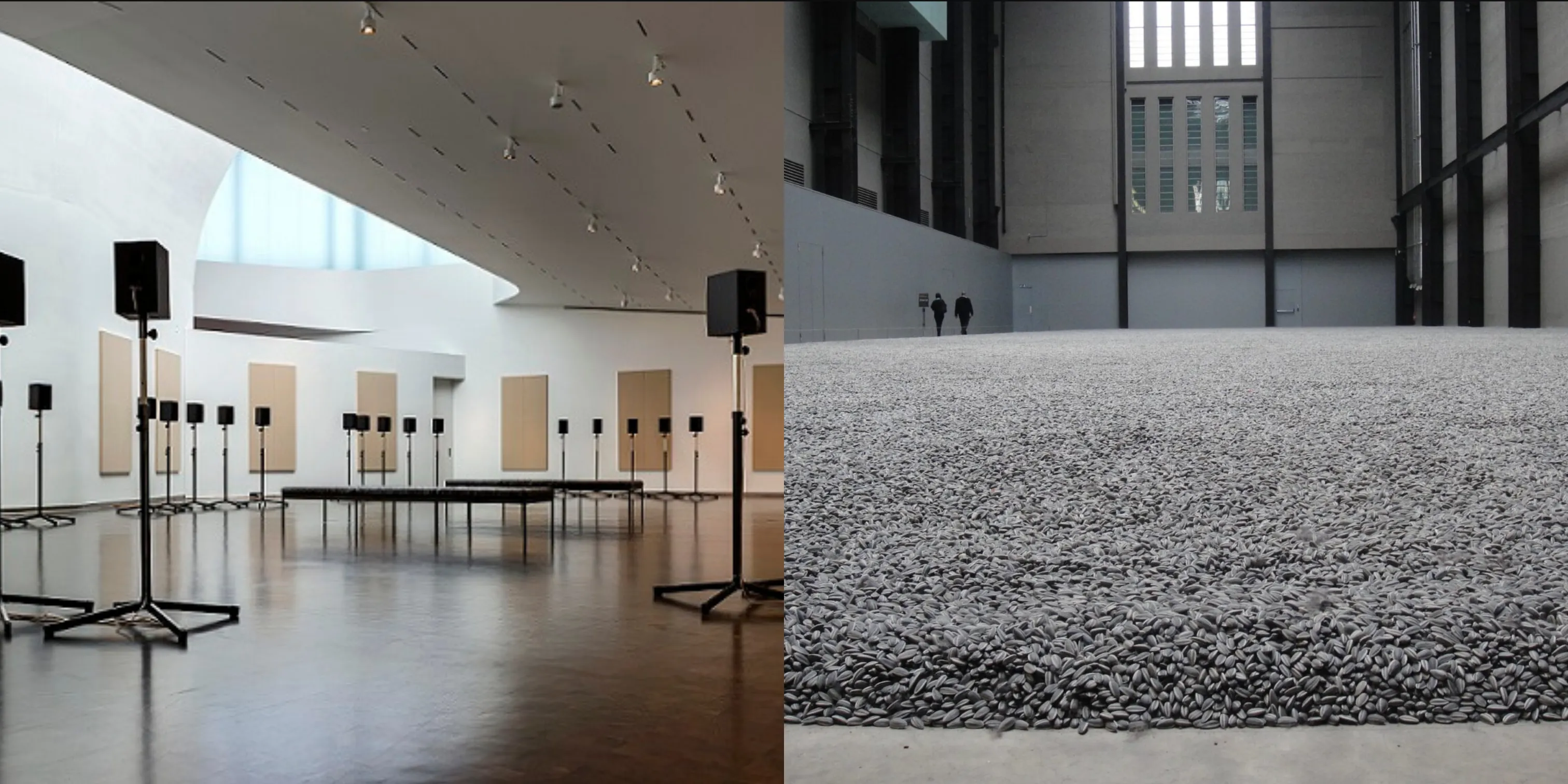 Image Source: Nelson-Atkins | Smart History
These creators make striking, intellectually rich work that offers a fresh take on the medium.
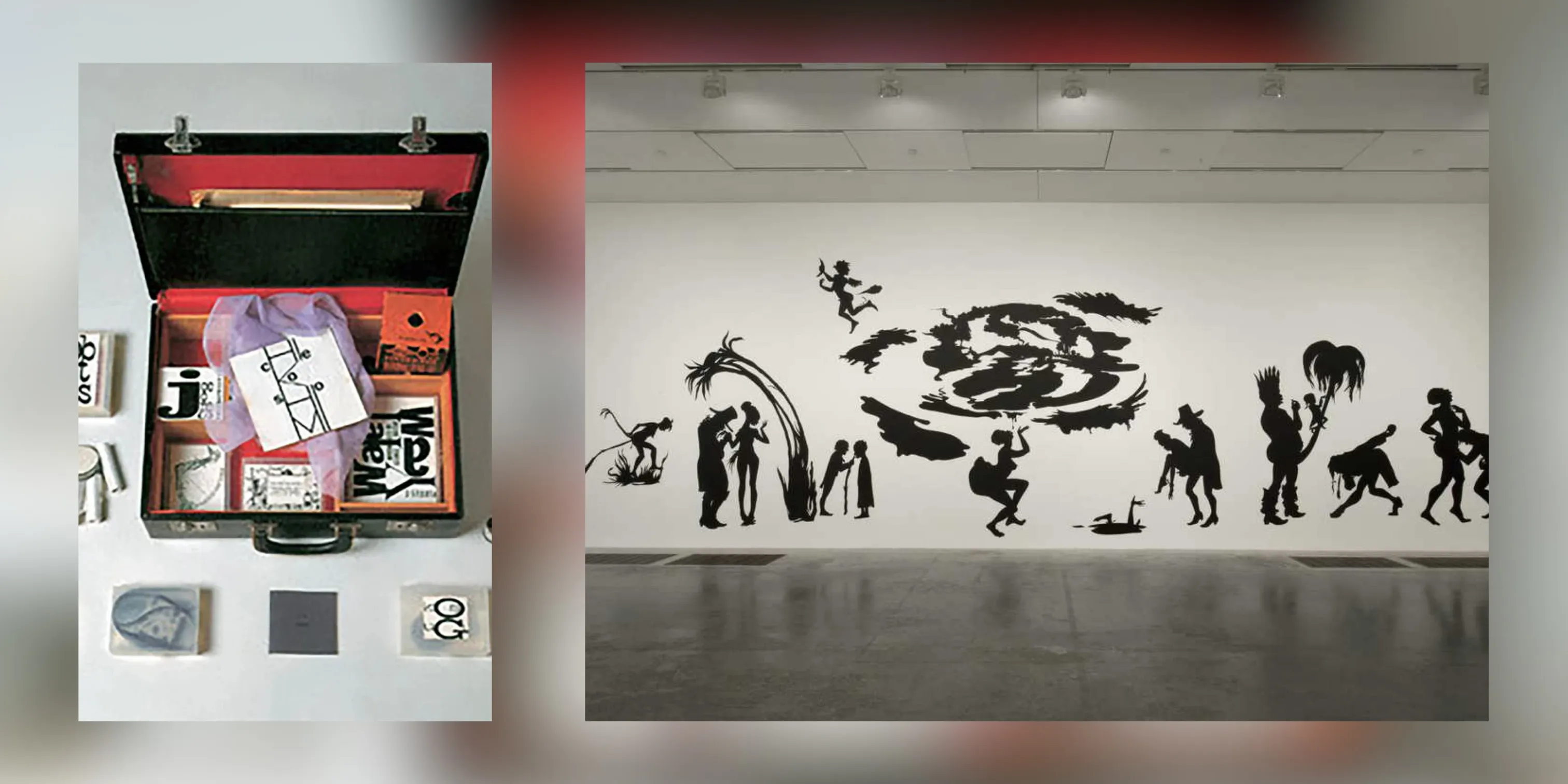 Image Source: Cardi Gallery | Tate
When you walk into an art installation, you are part of the work.
To learn more about turning your passion for art into a professional practice, explore our blog: How to Create a Curatorial Portfolio
 Image Source: Flash Art
If you find yourself drawn to the way artists use space, light, and materials to build meaning, you are already thinking like a expert. Our online Art Appreciation course helps you turn your passion for gallery-hopping into a professional toolkit.
In Module 10, Modern Art: Post Cubism to 1980, we track the extraordinary pace of artistic progress over the decades, covering movements that directly led to today's immersive installations. You will gain the historical context needed to lead gallery discussions or start your own creative advisory business.
Download our free course guide today to see how you can turn your love for visual culture into a certified professional career.
What is installation art?
Installation art is a three-dimensional work that transforms a room into an immersive environment for the viewer. You don't just look at it from a distance because you are meant to physically walk into and occupy the space.
What is the difference between installation art and sculpture?
A sculpture is an object meant to be viewed from the outside, while installation art creates a total environment you walk through. You become the subject of the work instead of just an observer watching from afar.
Who are the most famous installation artists?
Yayoi Kusama and James Turrell are currently the leading installation artist names defining the field today. Their work forces us to rethink how our brains process light, space, and our own reflections within a gallery setting.
What is site-specific installation art?
Site-specific installation art is created for one specific location and often loses its technical integrity or meaning if you move it. The artist designs the piece to work with the unique architecture and history of a chosen space.
What is interactive installation art?
Interactive installation art is a work that changes in response to how the viewer moves or interacts with it. It often uses sensors or sound to turn the visitor into an active participant rather than a silent observer.
In our online Art Appreciation course, you’ll enhance your passion and understanding of how art helped contribute to multiple vibrant, sociopolitical movements. Across 12 modules, you’ll explore how artists responded to social transformation, cultural identity, and rewriting the rules of visual language. Curated by leading scholars and experts, the course features insights from art historians and critics to help you understand each movement’s lasting impact. You’ll gain the skills to turn your passion for art into a career, or deepen your appreciation for art and its profound historical and cultural contexts. Download our free course guide today to learn more about The Art Institute.
This post was created by the team at The Art Institute and supported by our team of professional expert tutors. Meet Libby Anson, one of our expert student guides below:

Tutor at The Art Institute
At The Art Institute, tutors provide clear, practical insights into the forces that shaped art history. Experts like Libby Anson guide students through movements such as the Renaissance, showing how patrons like the Medici changed art forever.
Published:






©2026 The Art Institute. All rights reserved.