
 Australia
  Canada
  Ireland
  New Zealand
  Philippines
  South Africa
  United States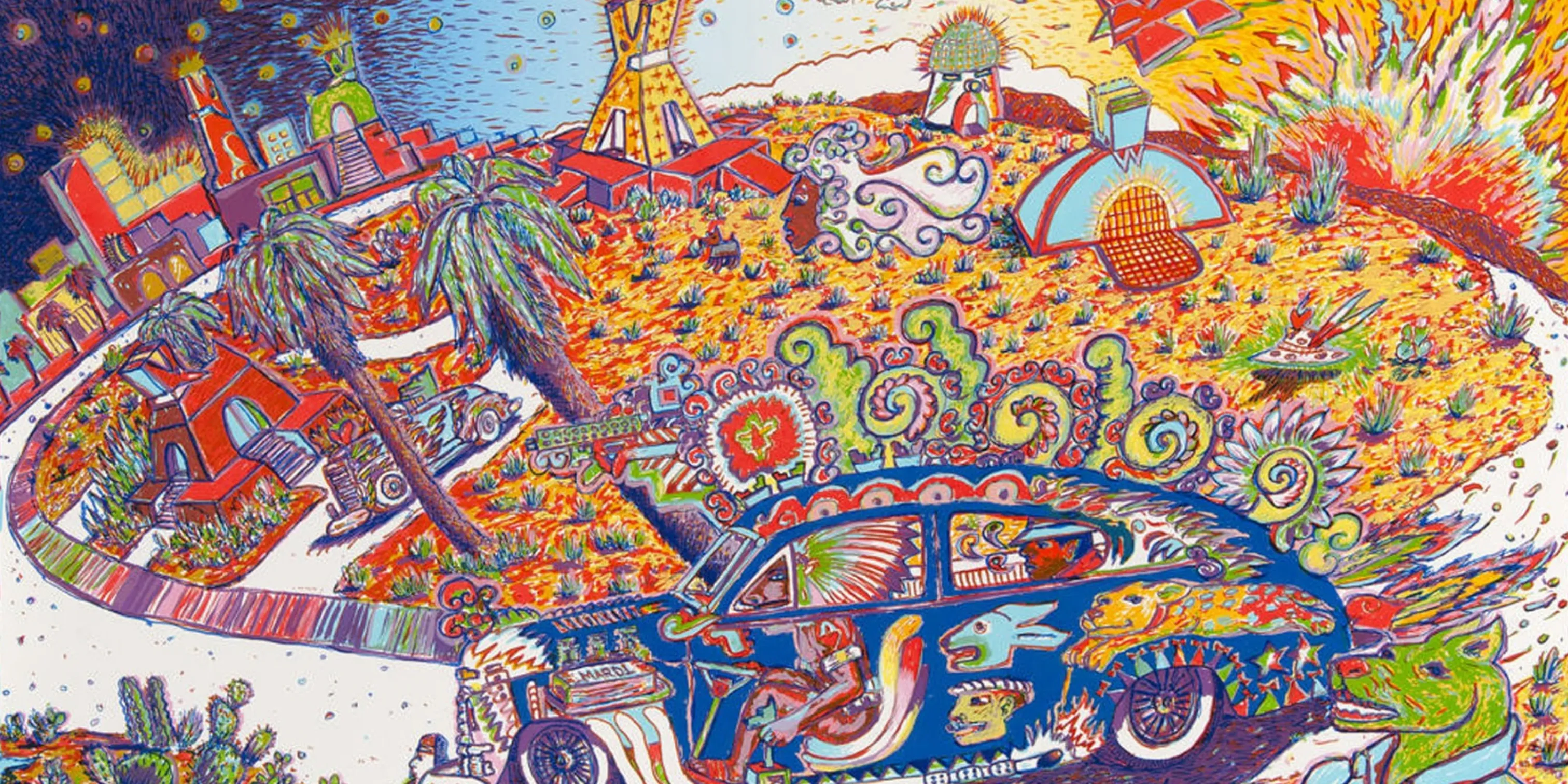
Most people see the bright colours of a Mexican carving or an East LA mural and think decoration. But they're missing the real story. These works aren't just pretty objects. They're a visual code for survival and a loud act of defiance.
We're going to show you how a 1930s fever dream and a 1960s civil rights fight created two of the most influential art movements in history. Understanding this history of Mexican and Chicano art helps you see how symbols actually build a culture.
Image Source: Delart
In short...
For those who want to explore these movements in greater depth, our online art history course can help build a more complete understanding of art history and visual culture.
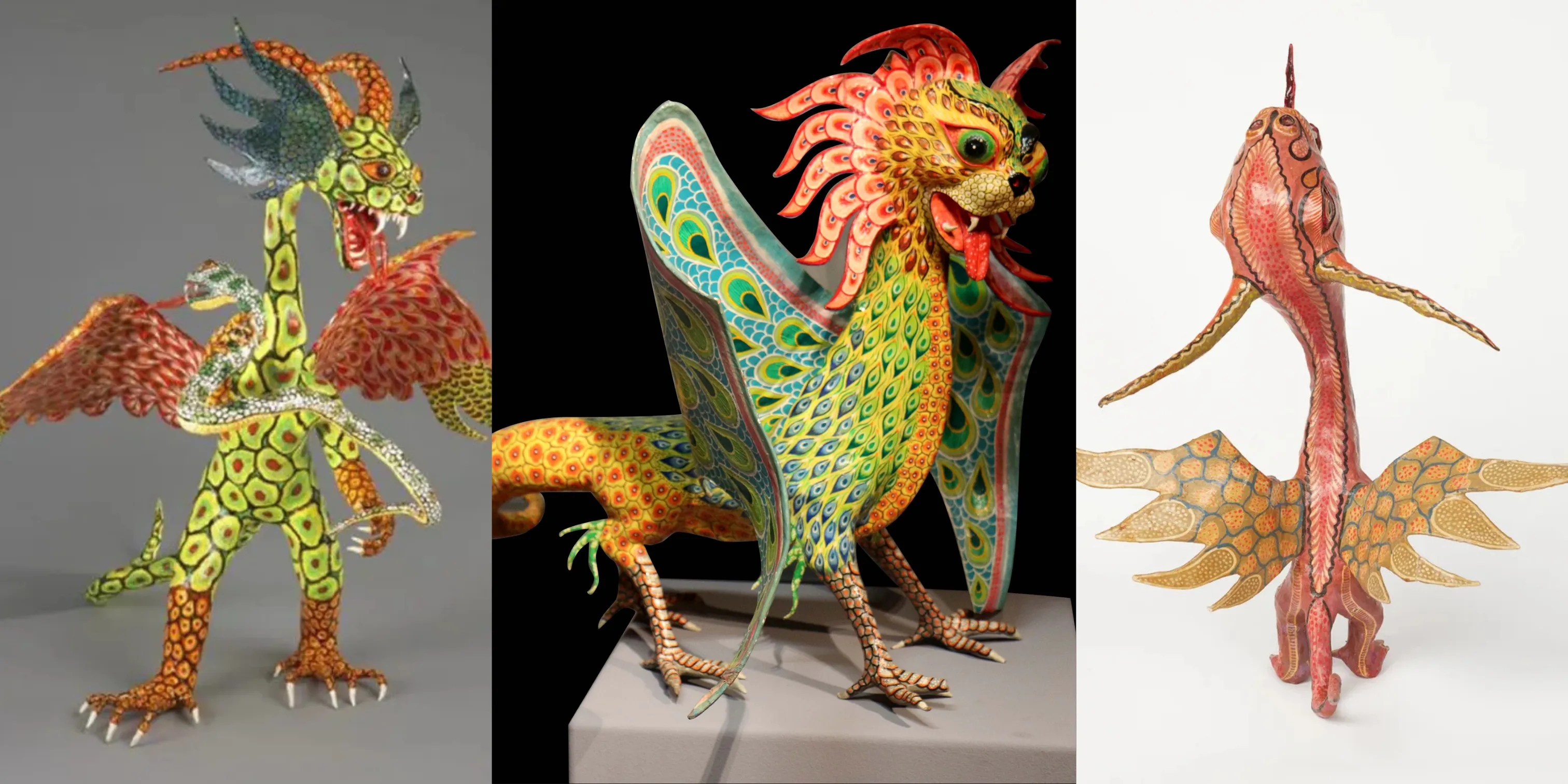 Image Source:
Fowler UCLA |
Ensemble |
Artnet
Image Source:
Fowler UCLA |
Ensemble |
Artnet
Mexican folk art is a collection of traditional crafts like pottery, textiles, and carvings made by rural and indigenous communities in Mexico. It’s a craft rooted in ancient rituals and passed down through families for centuries. Each piece often tells a story about nature or religion.
Chicano art is the creative expression of people of Mexican descent living in the United States. It first gained major attention during the 1960s Civil Rights movement as a tool for political protest. It focuses on the unique experience of living between two cultures and uses bold symbols to build social strength.
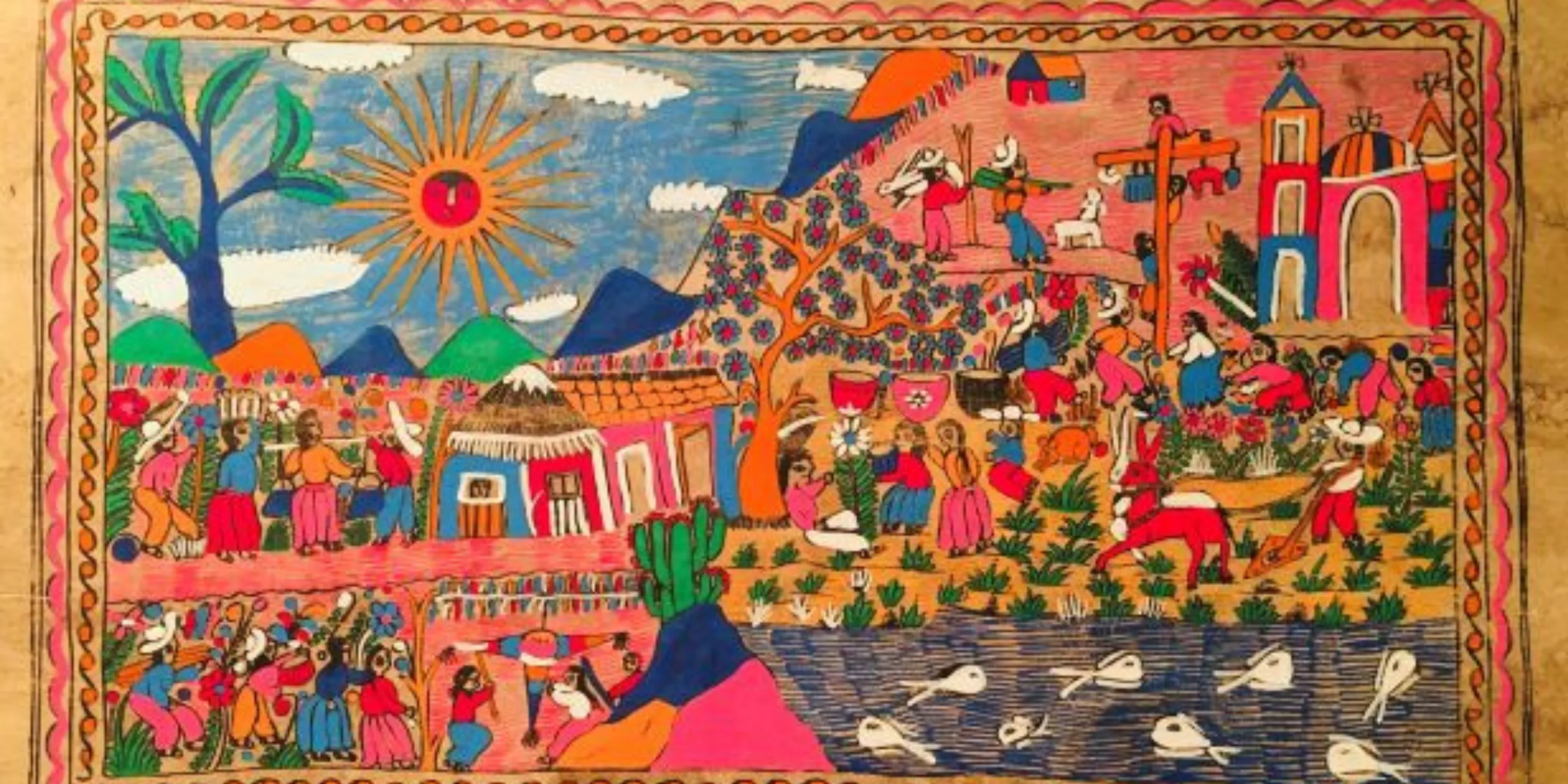 Image Source:
DCA Educates
Image Source:
DCA Educates
Knowing these differences helps you identify the specific cultural markers and political intents of each movement.
| Feature | Mexican Folk Art | Chicano Art |
|---|---|---|
| Geography | Originates within the borders of Mexico | Created by Mexican Americans in the USA |
| Time Period | Ancient indigenous roots to present day | Emerged in the 1960s (El Movimiento) |
| Primary Themes | Nature, religion, and community ritual | Identity, social justice, and civil rights |
| Mediums | Wood, clay, textiles, and papier-mâché | Murals, posters, and mixed media |
This distinction is vital for understanding how a shared heritage adapts to the unique political environment and social struggles found in the United States.
Mexican folk art is a living history passed down through generations. It turns everyday tools into gallery-worthy masterpieces.
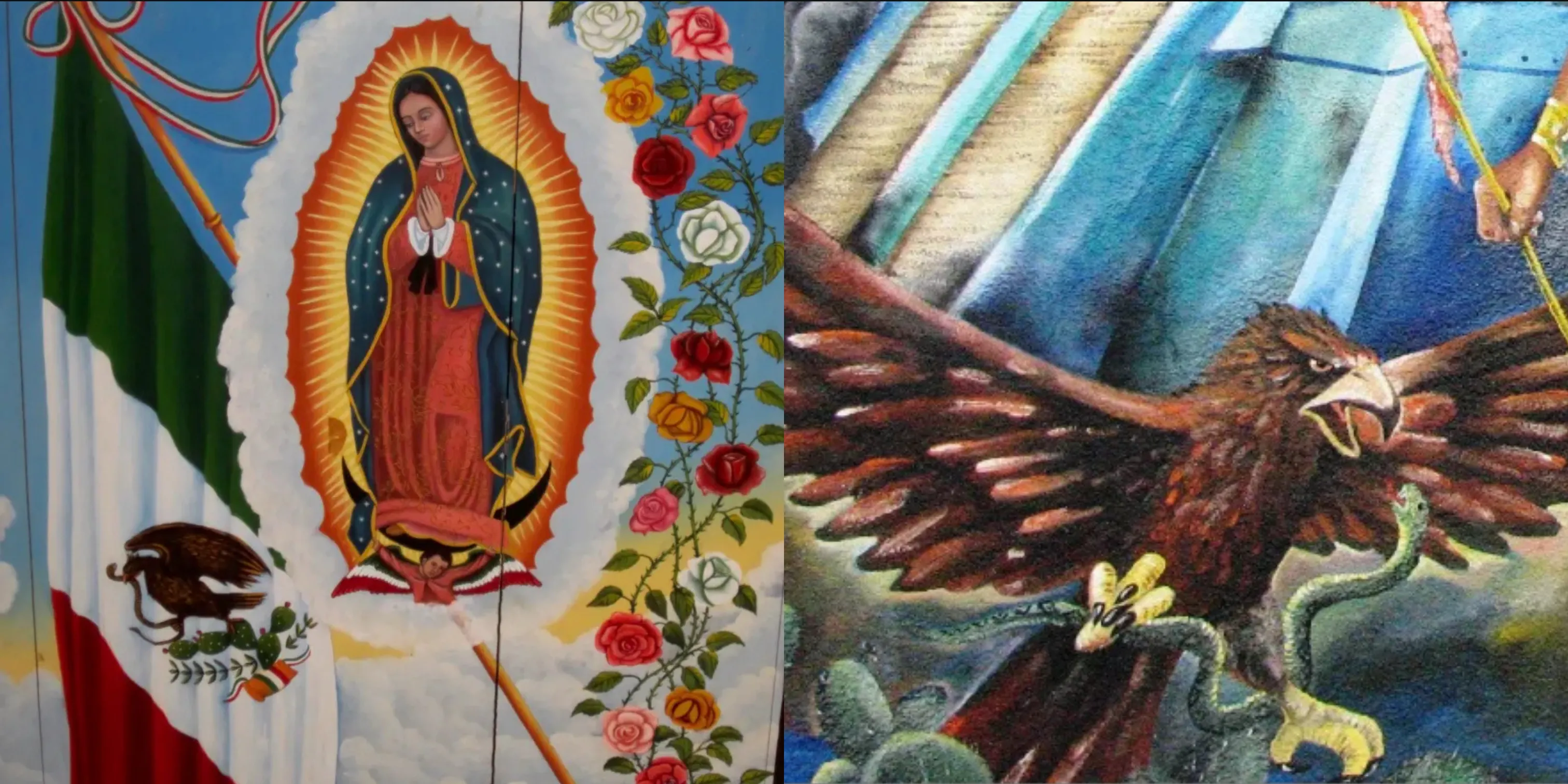 Image Source:
Medium |
Printmag
Image Source:
Medium |
Printmag
Pre-Columbian and Colonial (Before 1900): Indigenous symbolism merges with Catholic iconography introduced by Spanish colonisation.
The Muralist Revolution (1920s–1940s): Post-revolution Mexico uses art to educate the public and build a national identity.
The Chicano Explosion (1960s–Present): Art becomes a tool for social strength and documents the "Ni de aquí, ni de allá" generation. This era defines the modern history of Mexican and Chicano art.
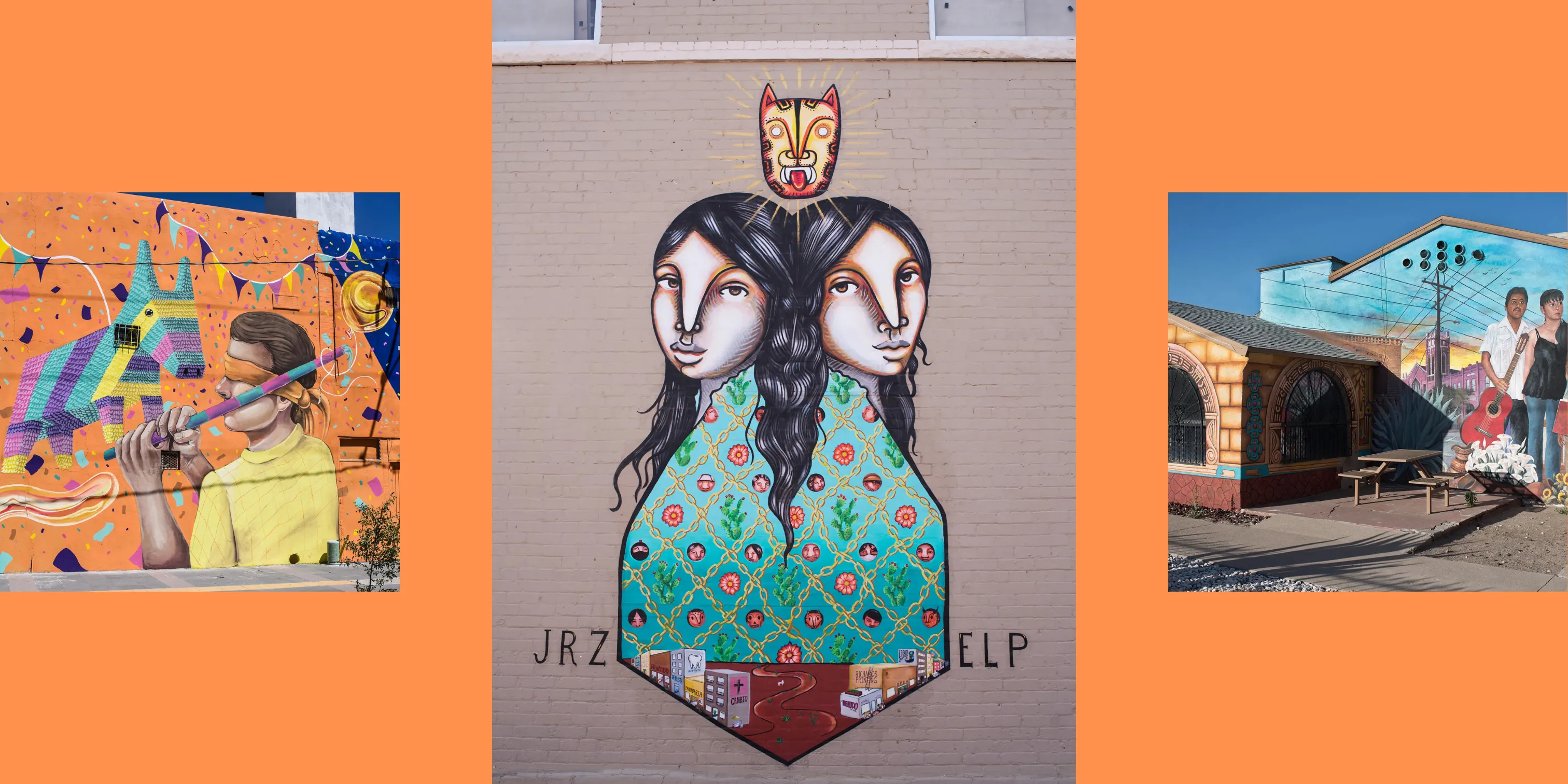 Image Source:
Vice
Image Source:
Vice
Alebrije celebrates fantastical Mexican creatures and decorative art. These creations weren't born in a temple. In 1936, a Mexico City artisan named Pedro Linares fell into a fever dream. He saw hybrid monsters like roosters with bull horns and donkeys with wings.
He started making these fantastical Mexican creatures decorative art pieces from papier-mâché. Later, Oaxacan carvers like Manuel Jiménez used copal wood to bring these monsters to life. Today, these carvings are global icons, proving that a single person's imagination can become a nation's tradition.
Chicano art exploded in the 1960s during the Mexican American Civil Rights Movement. It was a move to reclaim a history that was being erased. Artists looked back at the massive scale used by Rivera and Siqueiros to turn city walls into social billboards.
Judy Baca’s The Great Wall of Los Angeles is one of the best examples. It stretches for half a mile and tells the story of California through the eyes of the people who lived it. Institutions like the Smithsonian now archive these works because they capture a specific American reality that you won't find anywhere else.
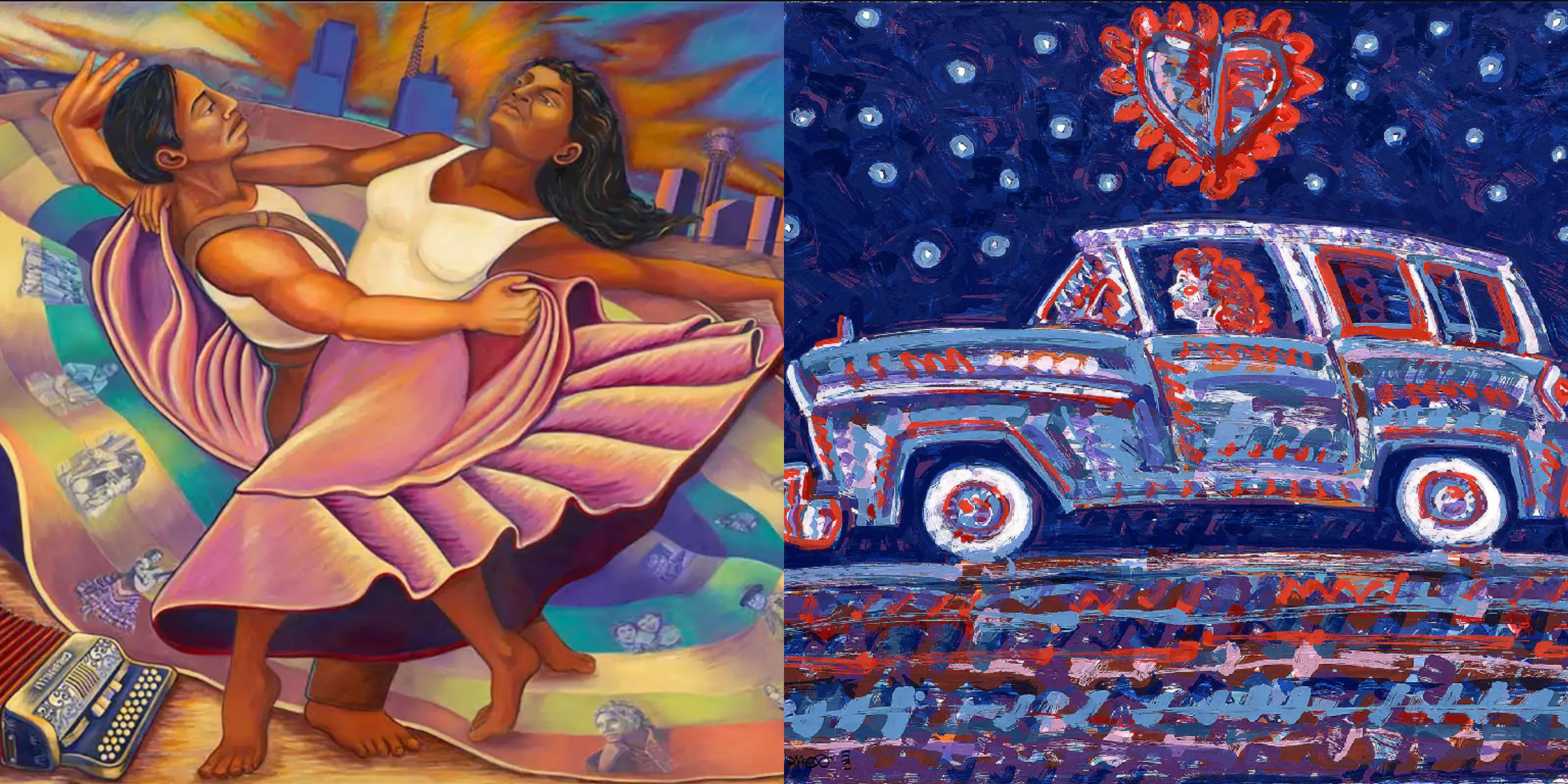 Image Source:
Judy Baca |
FOTM
Image Source:
Judy Baca |
FOTM
Mastering visual literacy is the only way to look past the bright colours and decode the defiant symbols that define a culture. Our online Art Appreciation course provides the expert framework to investigate these complex narratives with professional authority.
In Module 1, How to Look at Art, you’ll acquire the visual thinking skills and semiotic techniques needed to unlock the deeper iconography within any masterpiece. Download our free course guide today to see how you can turn your passion for art into a certified career.
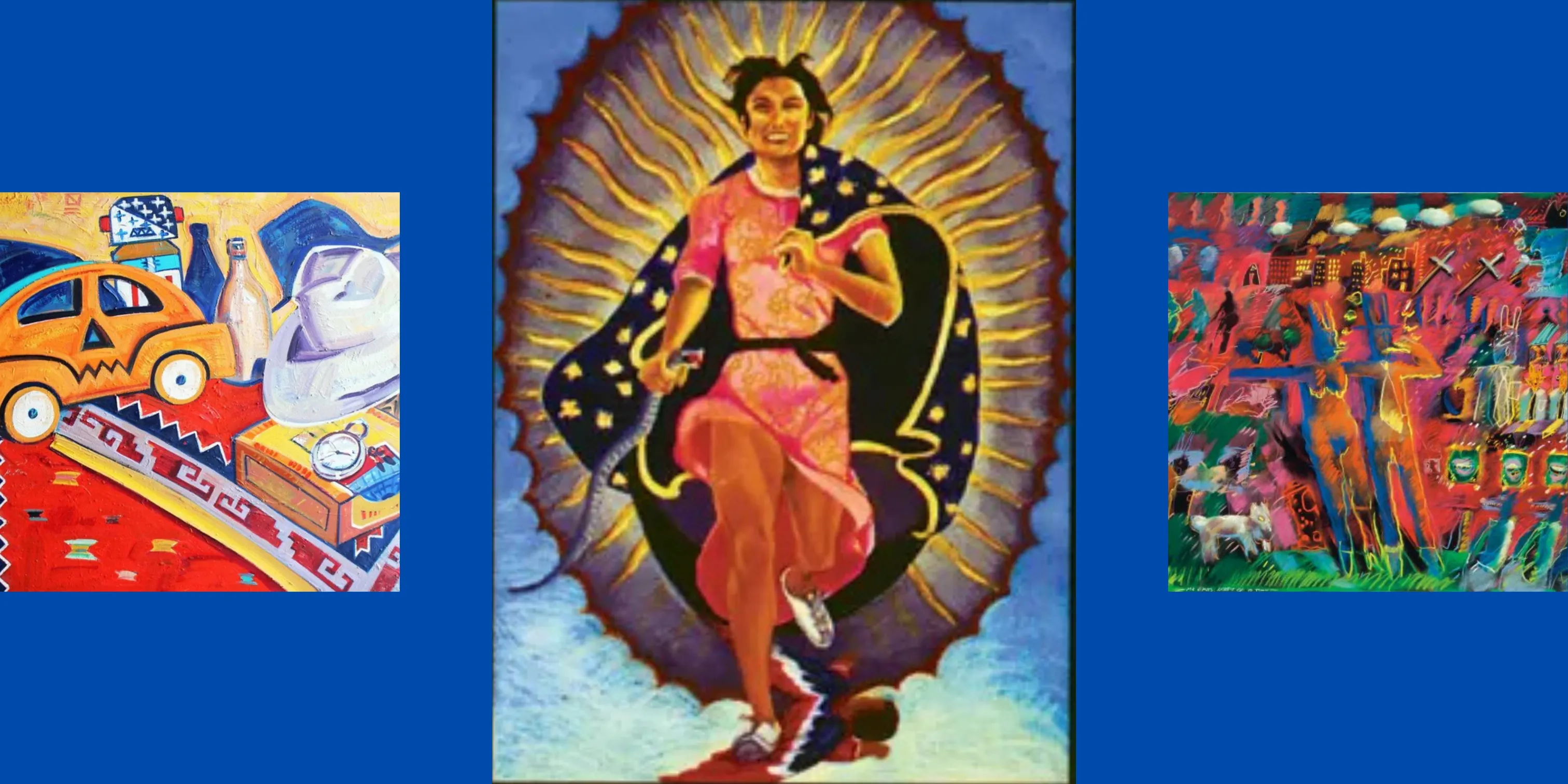 Image Source:
Artsy |
Smart History |
Hyperallergic
Image Source:
Artsy |
Smart History |
Hyperallergic
What is the difference between Mexican and Chicano art?
Mexican art refers to work created within the borders of Mexico. Chicano art is created by Mexican Americans and focuses on the unique experience of living between two cultures. Art historians study Chicano art as a distinct movement that emerged during the 1960s Civil Rights era.
Where can you see Chicano murals today?
You can find significant murals in Chicano Park in San Diego and across East Los Angeles. Many of these sites are archived by the Smithsonian and are maintained as public galleries. They preserve the history of the community and the political roots of the movement.
What are Alebrijes used for?
Alebrijes began as artistic expressions of dreams but are now primarily highly collectable decorative art. They are used to celebrate Mexican creativity in festivals. Museums worldwide seek them out for their intricate carving and unique hybrid forms.
How did muralism influence modern Chicano art?
Muralism provided the technical framework for using large-scale public spaces to communicate complex narratives. It allowed artists to bypass elite galleries and speak directly to their community. This tradition continues in today's urban street art and social justice campaigns.
In our online Art Appreciation course, you’ll enhance your passion and understanding of how art helped contribute to multiple vibrant, sociopolitical movements. Across 12 modules, you’ll explore how artists responded to social transformation, cultural identity, and rewriting the rules of visual language. Curated by leading scholars and experts, the course features insights from art historians and critics to help you understand each movement’s lasting impact. You’ll gain the skills to turn your passion for art into a career, or deepen your appreciation for art and its profound historical and cultural contexts. Download our free course guide today to learn more about The Art Institute.
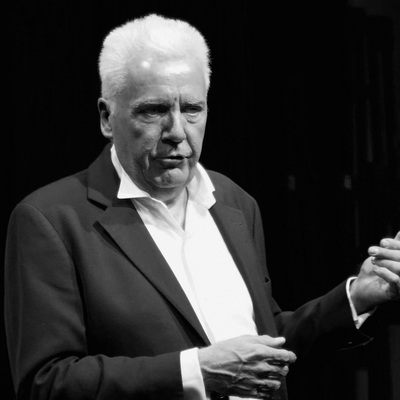
This post was created by the team at The Art Institute and supported by our team of professional expert tutors. Meet Stephen Farthing, one of our expert student guides below:
Tutor at The Art Institute
At The Art Institute, tutors provide clear, practical insights into the forces that shaped art history. Experts like Stephen Farthing guide students through various socio-political art movements, and how they shaped the world forever.
Published:






©2026 The Art Institute. All rights reserved.