Module 9: Cubism, Abstraction, Surrealism
Module 9: Cubism, Abstraction, Surrealism
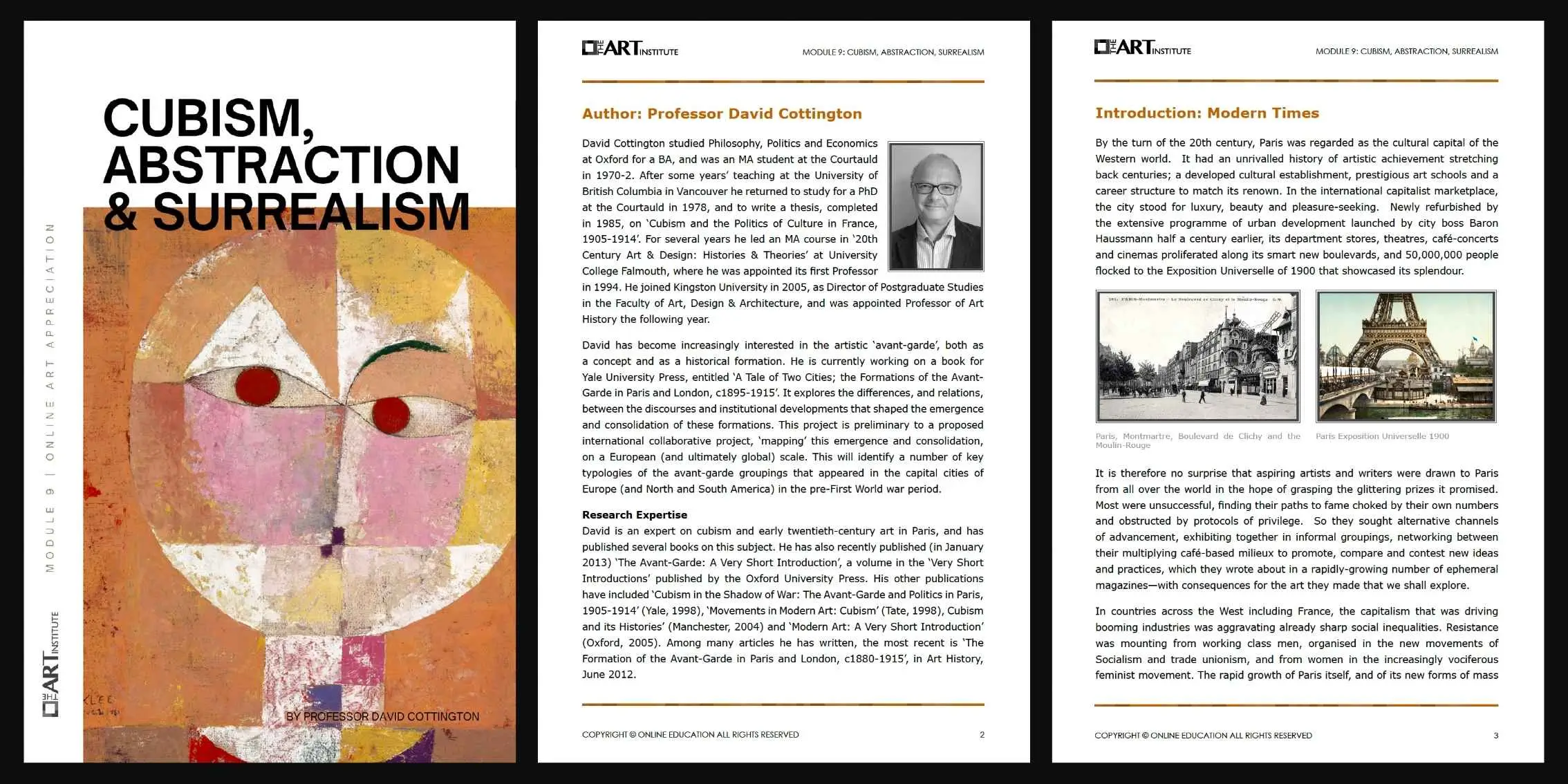
This module explores the transformative movements of Modern Art at the turn of the 20th century, including Cubism, Abstraction, and Surrealism. You will study how political upheaval, industrialization, social change, and mechanized warfare influenced artists and shaped the development of modern visual language.
Why This Module Matters
Understanding the leap from representation to abstraction and the rise of Surrealism is crucial for contextualizing modern and contemporary art. This module demonstrates how artists contextualize their work within societal shifts and the avant-garde spirit of the early 20th century.
- Trace the evolution of visual language from Cubism through Abstract Art and Surrealist movements.
- Recognise how social, political, and industrialization factors shaped modern artistic expression.
- Gain insight into the philosophies, techniques, and civilizations that influenced key modern artists.
By the end of Module 9, you will be able to analyze works from Cubism, Abstraction, and Surrealism in their historical, social, and cultural contexts.
What You’ll Learn
-
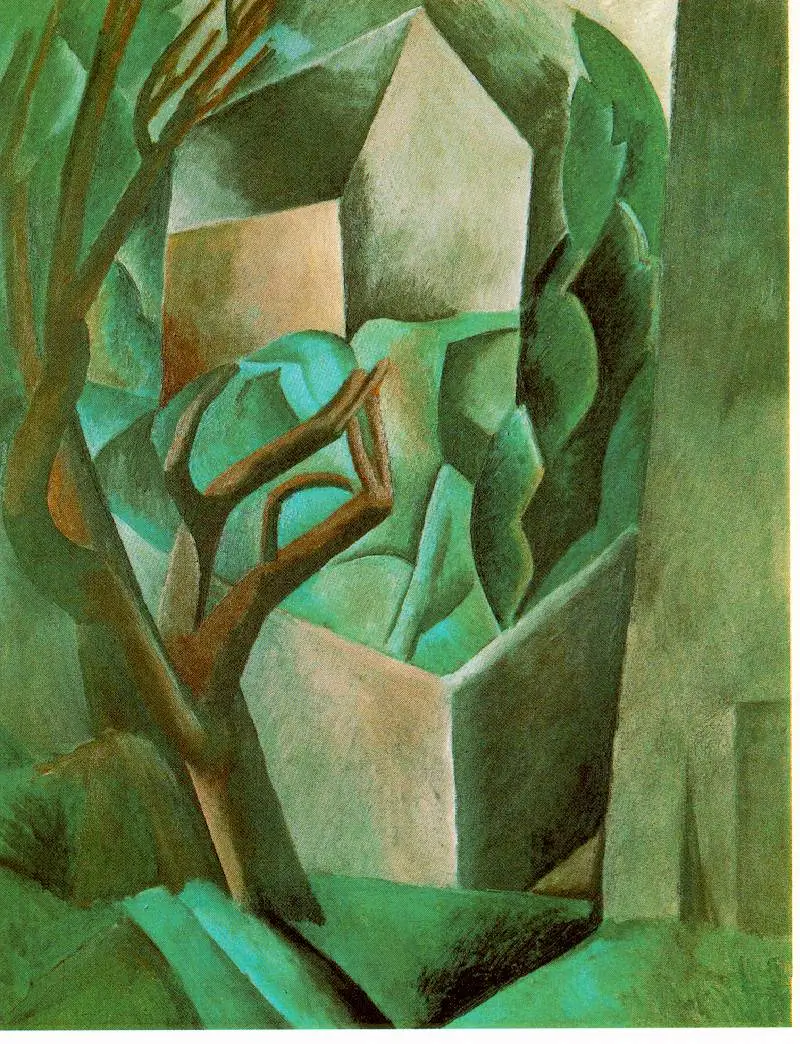
Cubist Innovations
How artists like Picasso and Braque challenged traditional perspective and representation.
-
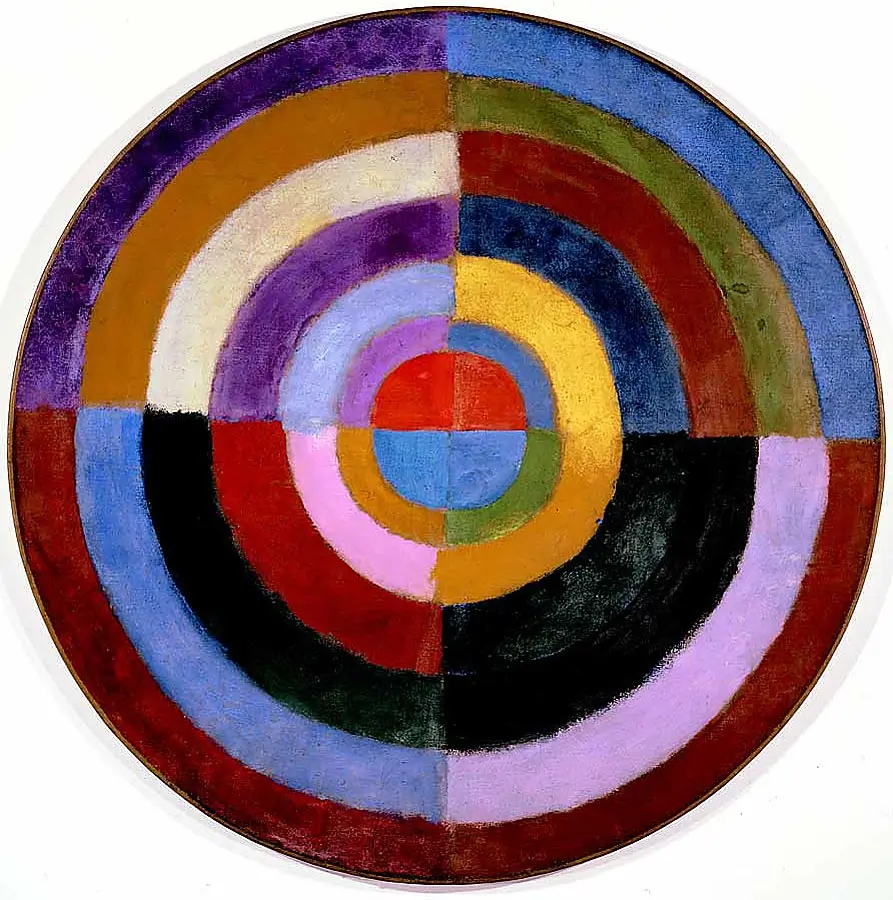
Abstract Art
The shift from representational to pure abstraction, including Kandinsky and Kupka.
-
Surrealist Philosophy & Technique
Exploring the unconscious, automatism, and dream imagery in 1920s–30s Surrealism.
-
Art in Social Context
How industry, politics, and social change shaped art.
What You’ll Do
- Explore Cubist Works
Examine Cubist compositions & understand their innovative approaches.
- Analyze Abstract Art
Study abstract works, noting techniques and intent behind non-representational forms.
- Interpret Surrealism
Investigate dream imagery, automatism, and the socio-cultural underpinnings of Surrealism.
- Contextual Comparison
Compare artists' responses to industrialization, social change, and globalization.
Module Content
This module covers the following topics:
- Introduction: Modern Times
- Gallery Cubism: Putting Illusionism Through its Paces
- Salon Cubism: Painting Modern Life
- 1912-14: Breakthrough to Abstraction
- From Representation to Abstract Art
- The Russian Avant-Garde: Abstract Art as Realism
- Other Paths to Abstract Art: Kandinsky and Kupka
- Surrealism: The Formation of the Avant-Garde
- Surrealism in the 1920s: Automatism
- Surrealism in the 1930s: Dream Painting
- Surrealism from the 1930s On: Between Genders
- Conclusion
Module Outcomes
By completing Module 9, you will:
- Understand the key characteristics and innovations of Cubism, Abstract Art, and Surrealism.
- Be able to analyze and contextualize works in historical, cultural, and social contexts.
- Recognize the influence of industrialization and globalization on early 20th-century art.
- Develop confidence in interpreting modernist visual language and avant-garde techniques.
Guidance Every Step of the Way
Our expert tutors provide personalized guidance, helping you contextualize Cubist, Abstract, and Surrealist works. They will assist you in analyzing techniques, philosophies, and social influences behind each movement, supporting your ability to recognize stylistic characteristics and contextualize artworks within historical, political, and civilizational frameworks.
Discover the Modules
Explore our course outline page to learn more about the other modules.
View Course Outline


 Australia
  Canada
  Ireland
  New Zealand
  Philippines
  South Africa
  United Kingdom