Module 4: Seventeenth Century Art
Module 4: Seventeenth Century Art
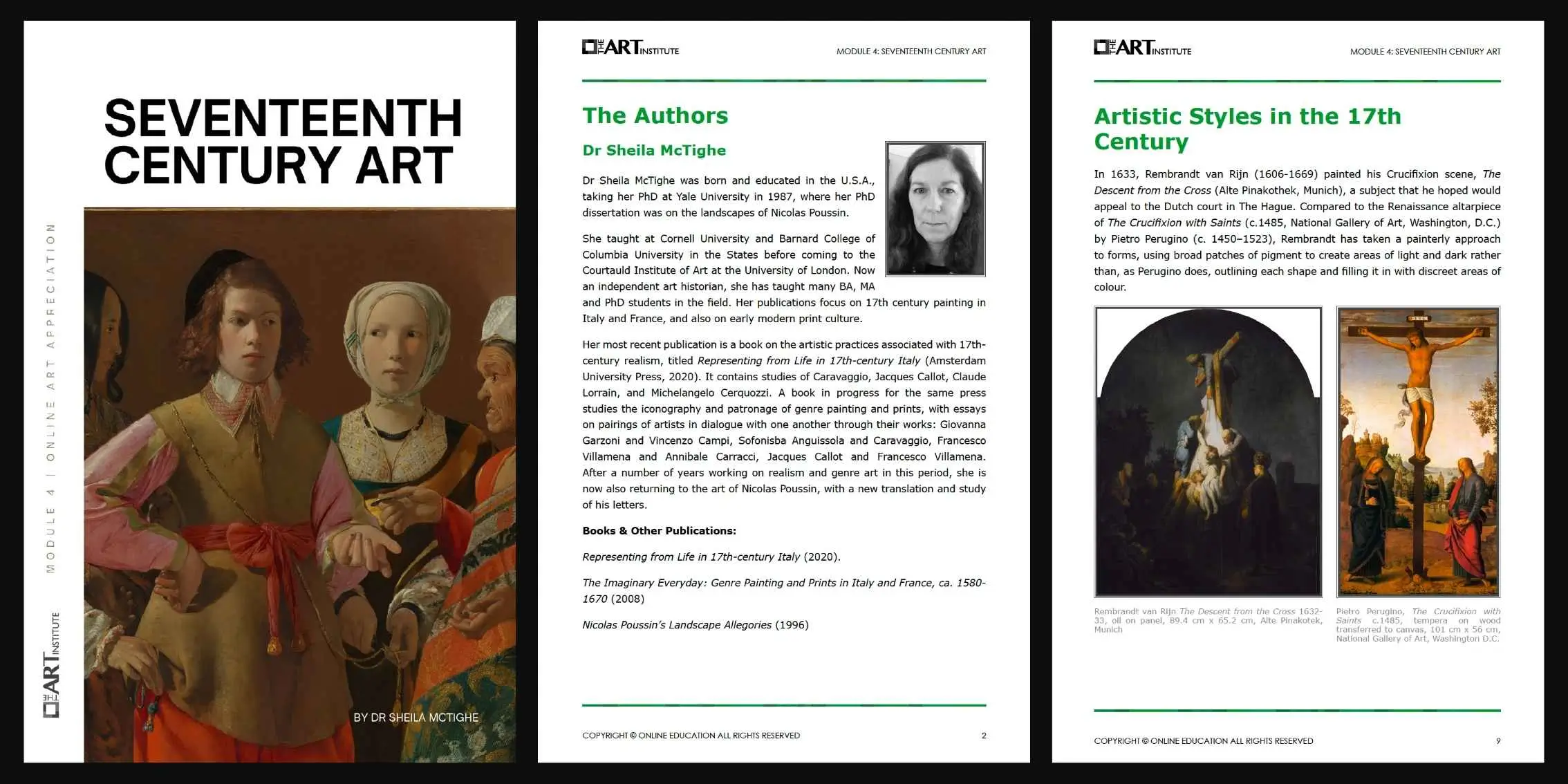
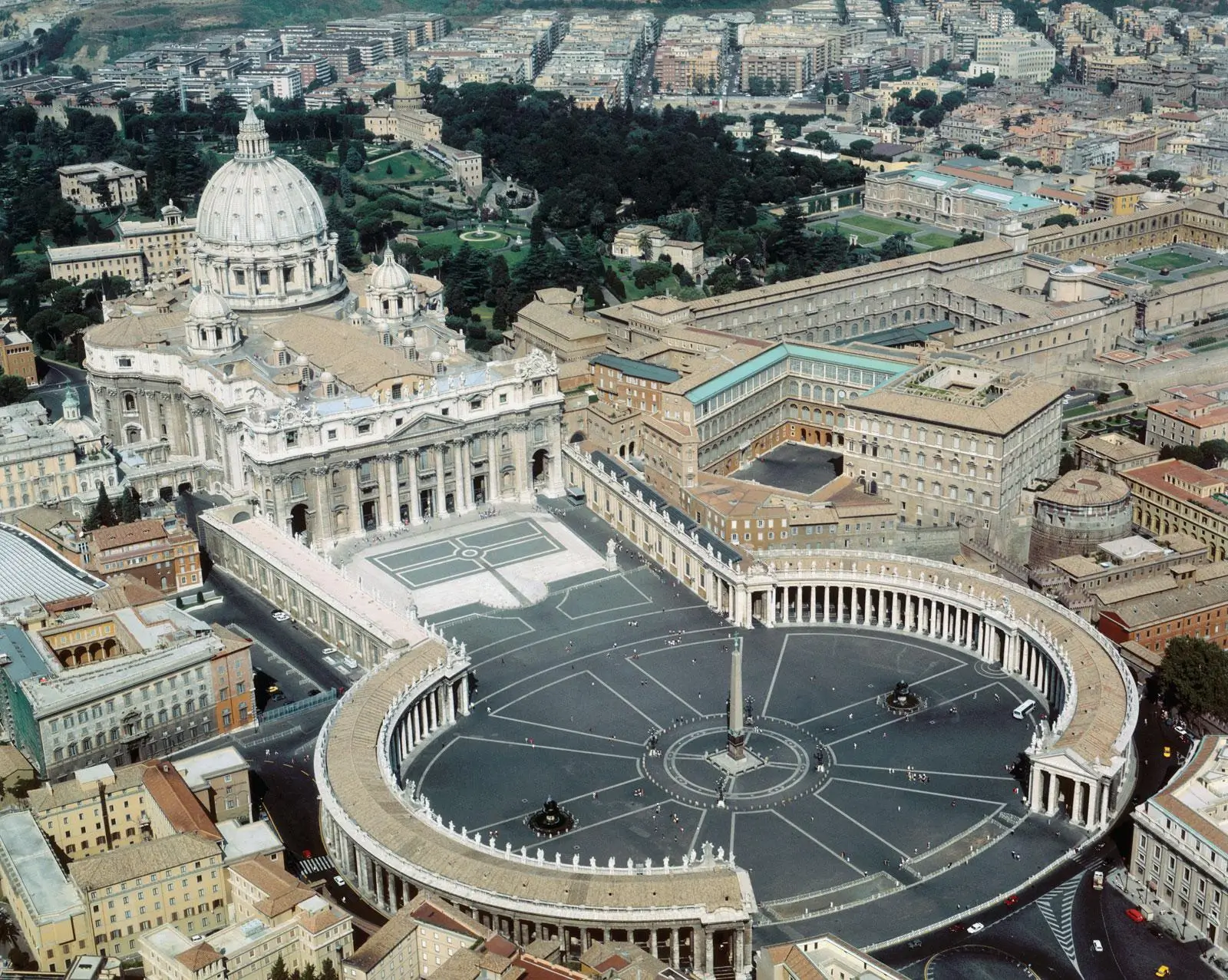
This module examines the dramatic transformations in European art from the 17th to early 18th centuries, focusing on Baroque grandeur, Rococo elegance, and their social, political and religious contexts. You will explore how artists used movement, light, and ornamentation to evoke emotion and convey power, while understanding the interplay between cultural forces and visual expression.
Why This Module Matters
Baroque and Rococo art reveal how artistic innovation responds to societal change. By studying this module, you will recognize the ways artists communicated drama, emotion, and status, understand regional stylistic differences, and see the impact of religion and court culture on visual arts.
- Recognize key Baroque and Rococo stylistic traits and techniques.
- Understand how political, religious, and social contexts influenced artworks.
- Build analytical skills for interpreting dynamic compositions and elaborate decorative styles.
By the end of Module 4, you will be able to analyze movement, light, and composition in artworks, appreciate the interplay of style and context, and identify the characteristics that distinguish Baroque from Rococo art.
What You’ll Learn
-
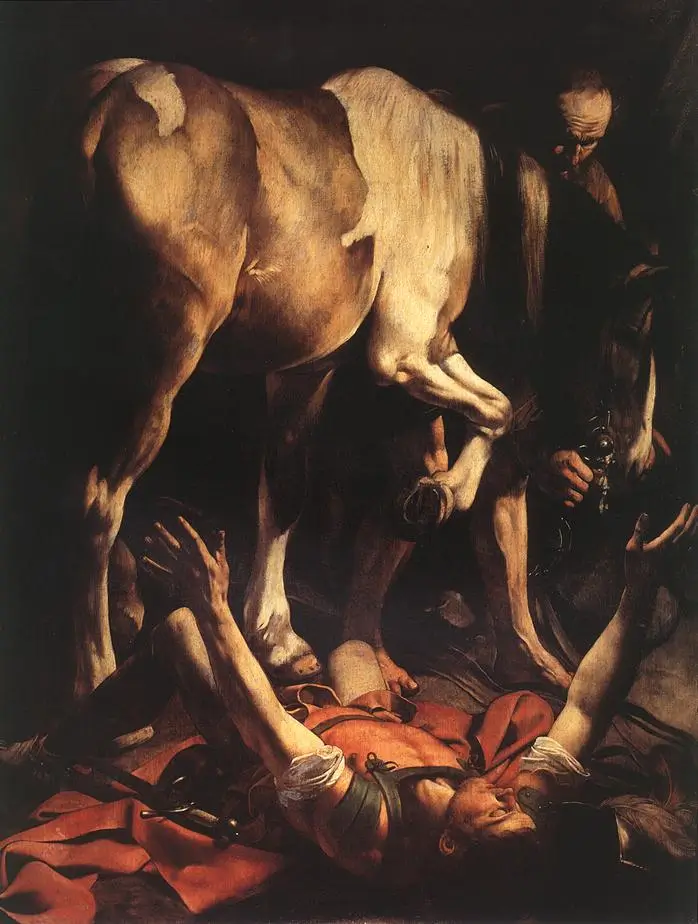
Baroque Drama & Grandeur
Techniques for conveying movement, emotion, and narrative intensity.
-
Rococo Elegance & Ornamentation
Study of the decorative, playful, and refined visual language.
-
Regional Variations
Differences between Italy, France, Spain, and Northern Europe.
-
Context & Influence
Understanding how religion, monarchy, and court culture shaped visual expression.
What You’ll Do
- Examine Dramatic Composition
Analyze artworks for movement, contrast, and visual storytelling.
- Study Ornament & Detail
Explore Rococo intricacies and decorative techniques.
- Compare Regional Styles
Identify stylistic differences across European centres.
- Contextual Interpretation
Contextualize artworks within historical, religious, and social frameworks.
Module Content
This module covers the following topics:
- The Baroque: Drama, Light & Motion
- Rococo: Elegance & Ornamentation
- Italy & Spain: Regional Variations
- France: Courts, Patronage & Rococo
- Northern Europe: Innovation & Influence
- Comparing Baroque & Rococo
- Legacy of 17th & 18th Century Art
Module Outcomes
By completing Module 4, you will:
- Understand the characteristics of Baroque and Rococo art.
- Be able to analyze style, composition, movement, and ornamentation.
- Recognize regional differences and contextual influences on art.
- Develop skills to interpret dramatic and decorative artworks with confidence.
Guidance Every Step of the Way
Our expert tutors provide Module 4-specific guidance, helping you analyze Baroque and Rococo works, contextualize compositions within historical, religious, and social settings, and identify stylistic traits across regions. Through personalised feedback, tutors will deepen your understanding of movement, ornamentation, and dramatic effect, supporting your ability to interpret artworks with critical insight and appreciation.
Discover the Modules
Explore our course outline page to learn more about the other modules.
View Course Outline


 Australia
  Canada
  Ireland
  New Zealand
  Philippines
  South Africa
  United Kingdom