
 Canada
  Ireland
  New Zealand
  Philippines
  South Africa
  United Kingdom
  United States
"Colour! The whole world I see before me... comes alive." - Henri Matisse
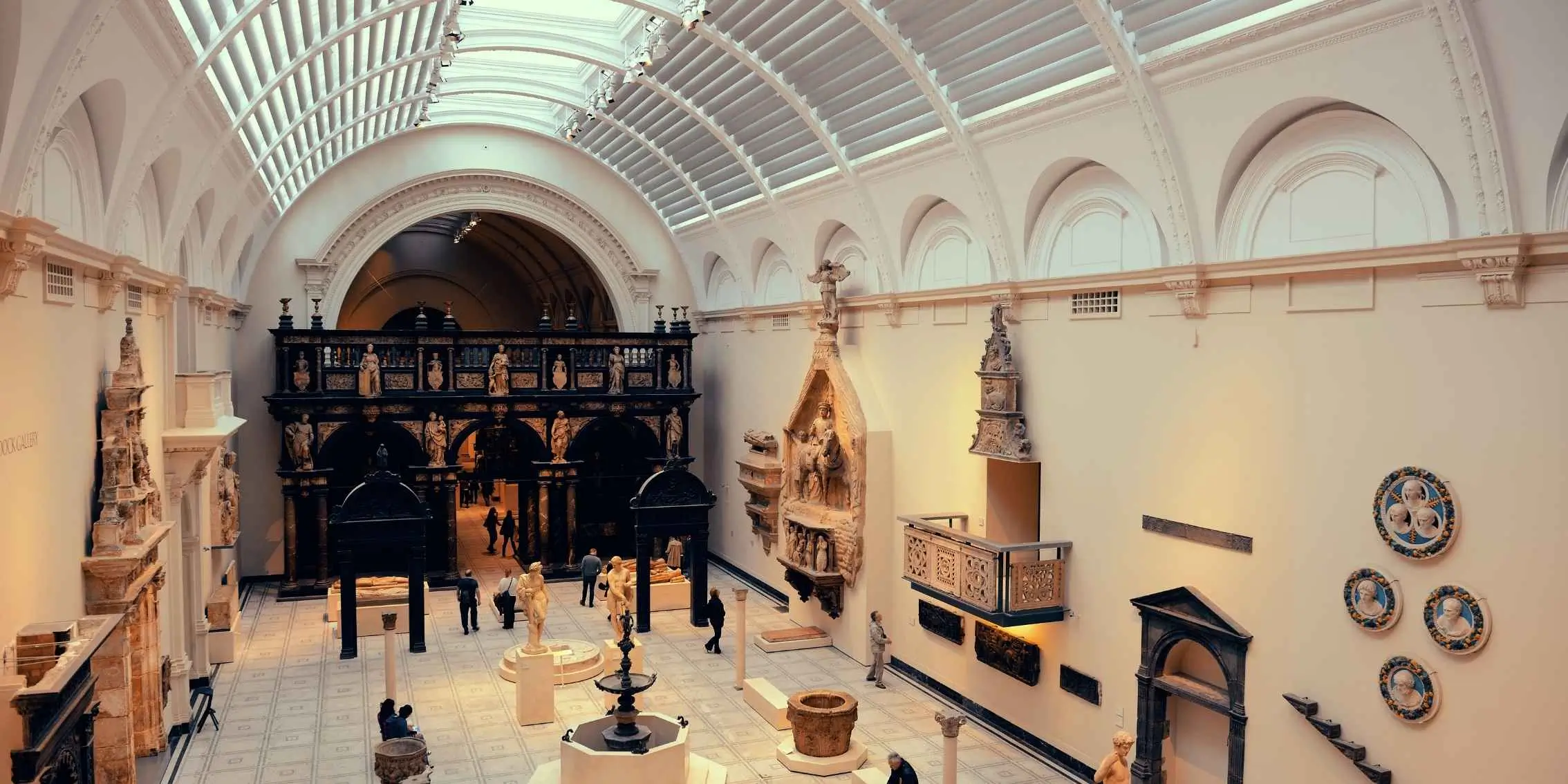
At the 1905 Salon d'Automne in Paris (pictured below), a group of young artists showed paintings so intense that critic Louis Vauxcelles described them as "fauves" or wild beasts. This label gave birth to Fauves and Fauvism as the first major avant-garde movement of the twentieth century. This article explores how these artists liberated colour from reality, the techniques they used to build depth, and the ten iconic paintings that still influence digital art today.
In short…
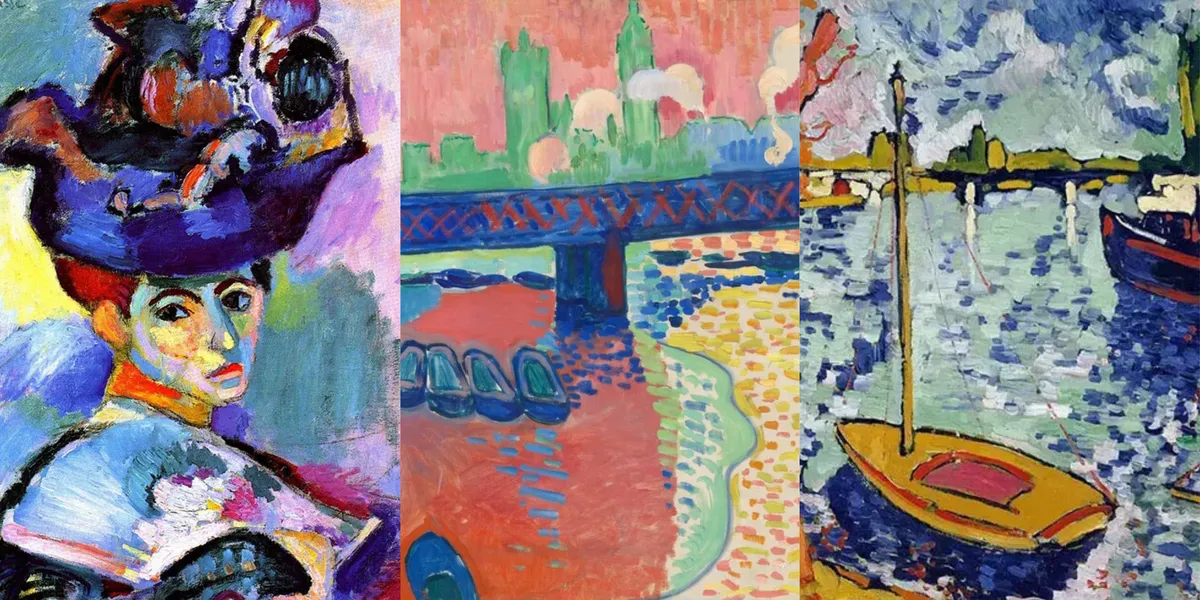 Image Source: WikiArt | National Gallery of Art | Visual Flood.
Fauvism was an intense avant-garde movement that redefined French painting between 1905 and 1910. The Fauves believed in:
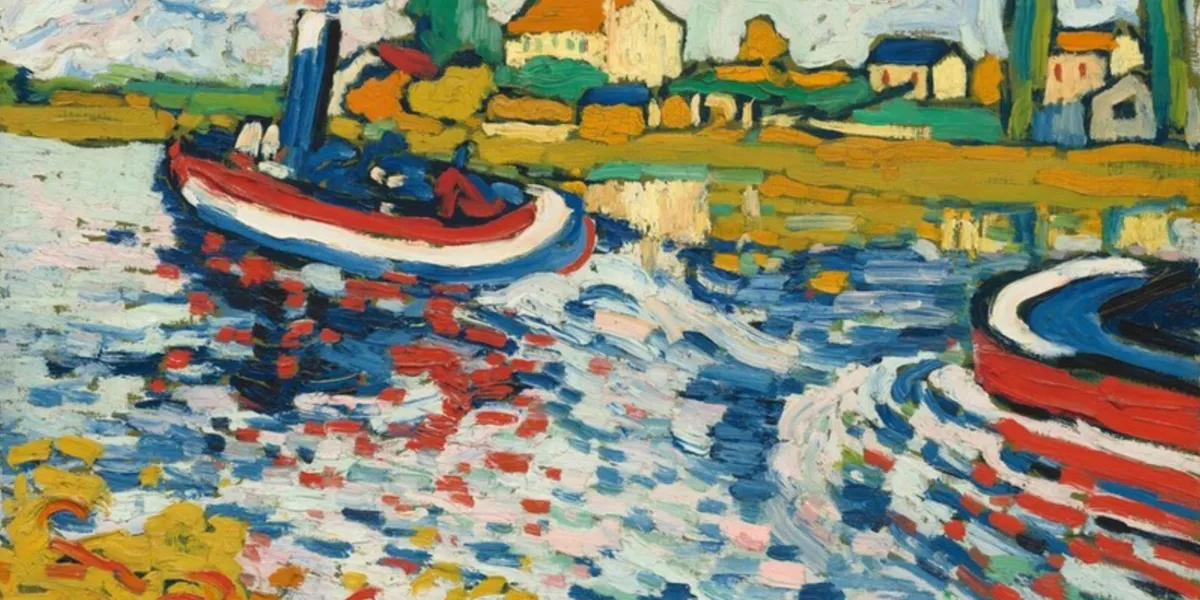 Image Source: The Met.
While many painters experimented with this style, three men led the charge and defined the look of the movement.
Henri Matisse was the undisputed leader of the group. He was older than the others and brought a level of intellectual rigour to the "wild" style. He believed that colour could create balance and serenity even when it looked chaotic to the untrained eye. His work focused on the harmony of the entire canvas rather than the detail of a single object.
André Derain was Matisse's closest collaborator during the height of Fauvism art in 1905-1907. He spent a summer with Matisse in the Mediterranean fishing village of Collioure. There, they experimented with light and heat by using blocks of contrasting colour that seemed to vibrate against each other. Derain's work often feels more structured and architectural than the others.
Maurice de Vlaminck was perhaps the most "wild" of the Fauves. He was a self-taught artist, a racing cyclist, and a musician who famously claimed to "love Van Gogh more than my own father." He used thick, swirled paint and primary colour to create high-energy landscapes that felt like they were vibrating with sound. He didn't care for the rules of the academy and preferred the raw energy of the street.
Plus, you'll find other significant artists of Fauvism like Raoul Dufy, Georges Braque, and Kees van Dongen. Each of them brought a unique perspective to the movement before many of them transitioned into Cubism or other styles later in their careers.
When you look at a Fauves painting, you'll notice a few specific traits that set it apart from anything else in art history.
This style was about the joy of seeing and the artist's internal reaction to the world. It wasn't about the world itself.
The Fauvism art of 1905-1907 was the peak of the movement's influence. It emerged from the foundations laid by Post-Impressionists like Vincent van Gogh and Paul Gauguin. These older masters had started to use colour symbolically, but the Fauves took it to the extreme.
By 1908, the initial shock of Fauvism had started to wear off. The art world was moving toward the more analytical and structured approach of Cubism led by Pablo Picasso and Georges Braque. Even though it didn't last long, the movement's impact was massive. It proved that art didn't have to look like a photograph to be meaningful.
To truly understand this revolution, you need to look at the specific works that defined the era.
This is the Fauves painting that started the scandal. The bold greens across the nose and the wild purple of the hat were seen as an insult to the viewer. Matisse wasn't trying to be ugly. He was trying to show the energy and life of his subject through colour relationships.
In this work, Derain turns the foggy city of London into a technicolour dream. The water is a bright yellow and red, while the bridge itself is a deep blue. It shows how the Fauvism art movement could take a familiar scene and make it feel entirely new.
Vlaminck used heavy, impasto paint to create a scene that feels like it's in motion. The bright reds and whites of the sails against the deep blue water create a visual friction that's characteristic of his best work.
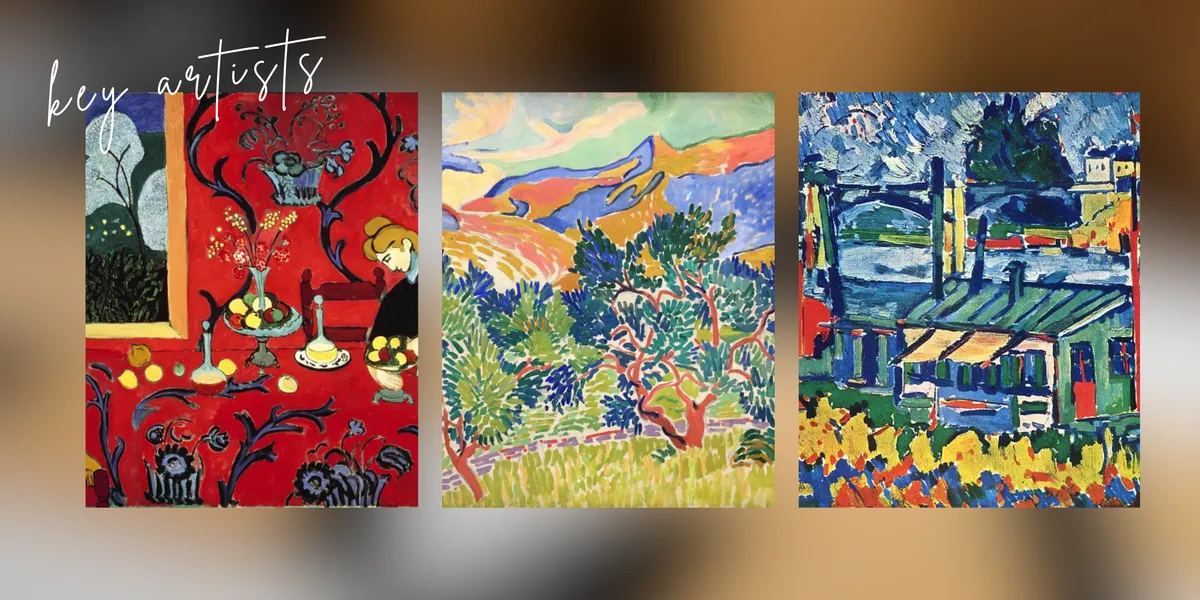 Image Source: Daily Art Magazine | National Gallery of Art | Golden Rule Gallery.
This painting is a masterclass in how to use colour to create depth without using traditional shadows. The bright pinks and greens inside the room contrast with the blue of the sea outside to pull the viewer's eye through the space.
This portrait shows the camaraderie among the Fauvism artists. Derain uses green and yellow shadows on Matisse's face to create a sense of three-dimensional form without using brown or black.
Like his other London scenes, this work rejects the "pea-souper" fog London was known for. He uses blocks of colour that look like a mosaic to create the clock tower and the surrounding sky.
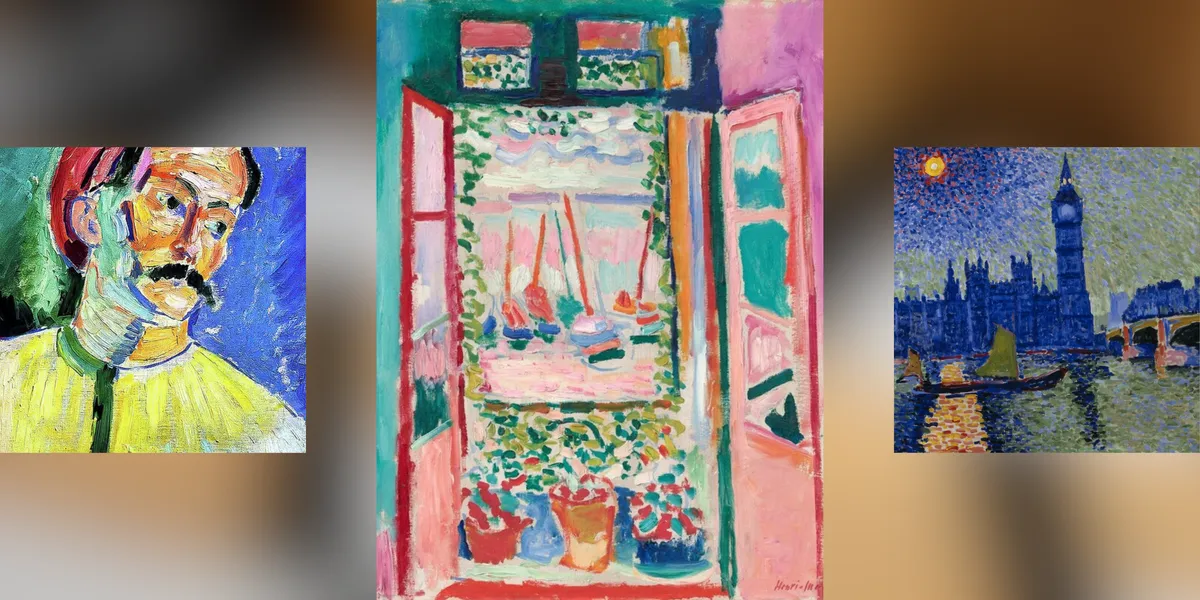 Image Source: Meer | Artchive | Granger.
This Fauvism landscape is often cited as one of the most beautiful examples of the style. The trees are bright red and orange, while the ground is a mix of yellow and blue. It feels like a world where the sun never sets.
Rouault was a bit different from the other Fauves because he focused more on social issues and used darker, heavy outlines. His work shows the versatility of the movement beyond just bright landscapes.
Dufy brought a certain elegance and lightness to the movement. His brushwork is often thinner and more decorative, showing how Fauvism could be used for more than just raw aggression.
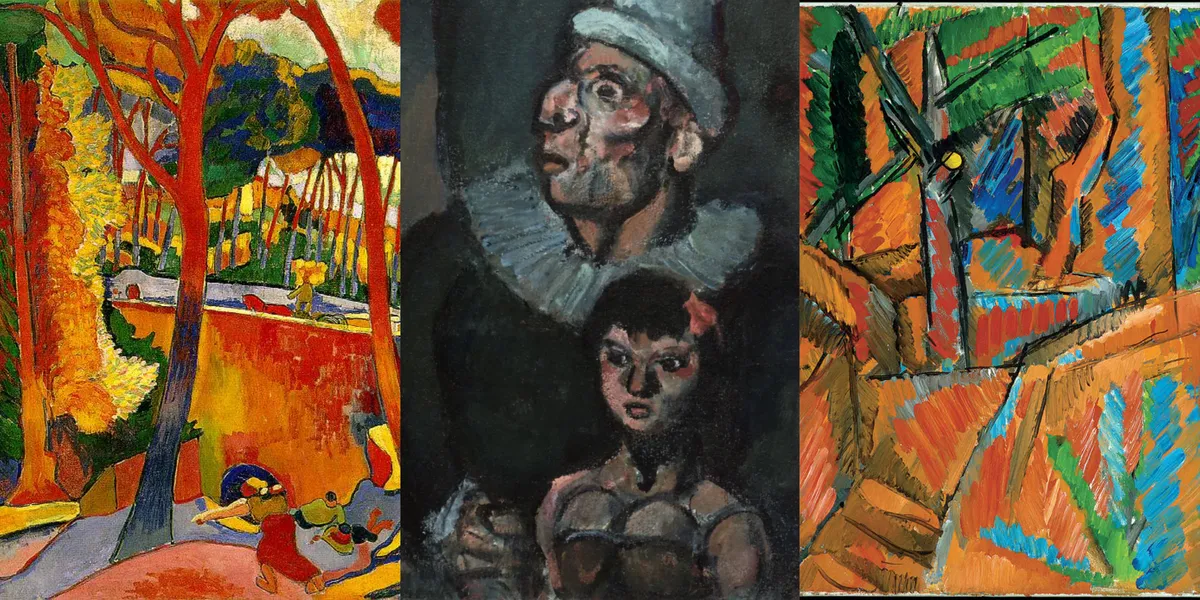 Image Source: Sotheby’s | Artchive | mbam.
While painted just after the height of the movement, this work shows the logical conclusion of Fauvism. The entire room is a single, flat shade of red, where the only "real" things are the paintings and sculptures Matisse has placed within it.
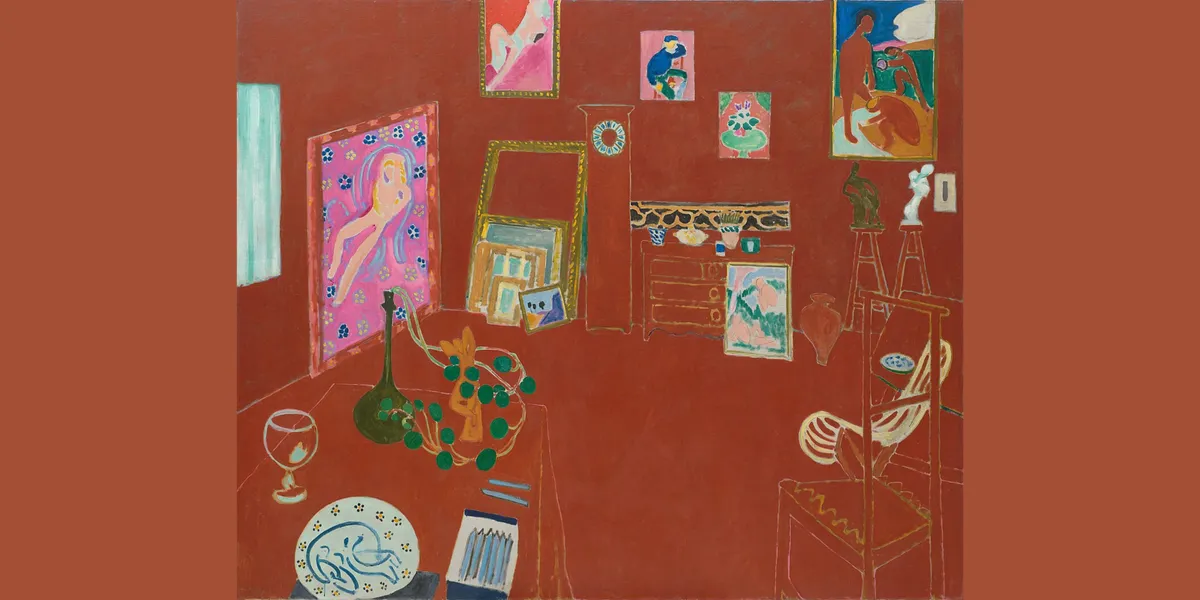 Image Source: MoMA.
Fauvism didn't die out. It just evolved. You can see its DNA in German Expressionism, where artists like Kirchner used colour to show psychological distress. It also influenced the Abstract Expressionists of the mid-twentieth century who believed that paint itself was the subject of the work.
Today, Fauvism art remains some of the most popular and accessible avant-garde art in museums worldwide. We've grown accustomed to seeing bold, non-realistic colour in advertising, film, and digital art. That freedom started with a group of "wild beasts" who dared to paint differently.
In our online Art Appreciation course, you’ll enhance your passion and understanding of art. Across 12 modules, you’ll explore how avant-garde artists responded to social transformation throughout history by rewriting the rules of visual language.
Hilary Kay curates the course, and you'll learn from leading experts and critics to understand the global art market. You'll gain the skills to work in galleries or deepen your appreciation for art and its historic and cultural contexts. Download our free course guide today to learn more about courses at The Art Institute.
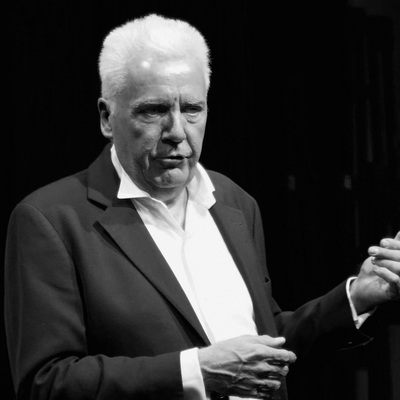
This post was created by the team at The Art Institute and supported by our team of professional expert tutors. Meet Stephen Farthing, one of our expert student guides below:
Tutor at The Art Institute
At The Art Institute, tutors provide clear, practical insights into the forces that shaped art history. Experts like Stephen Farthing guide students through movements such as the Renaissance, showing how avant-garde movements changed art forever.
Published:






©2026 The Art Institute. All rights reserved.